 Contact immediately
Leave Your Message
-
Contact WhatsApp

-
 Contact Phone
 -
 Contact Email
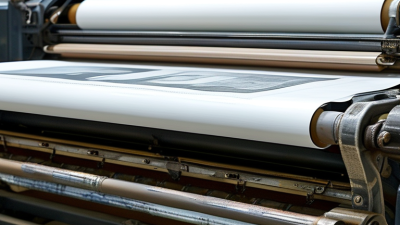
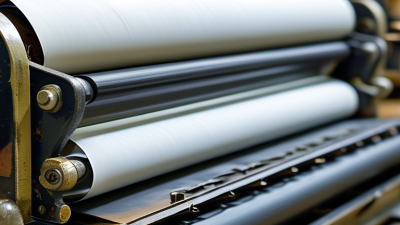
A Roll Printing Machine applies text, patterns, or images to material that moves continuously through rotating rollers. Common substrates include paper, flexible film, foil, and some fabrics. Unlike a desktop printer, it is built to process long rolls at steady speed. The exact printing method varies. Flexographic, gravure, and rotary screen systems use different plates, inks, and transfer processes, so the machine’s name alone does not describe every setup.
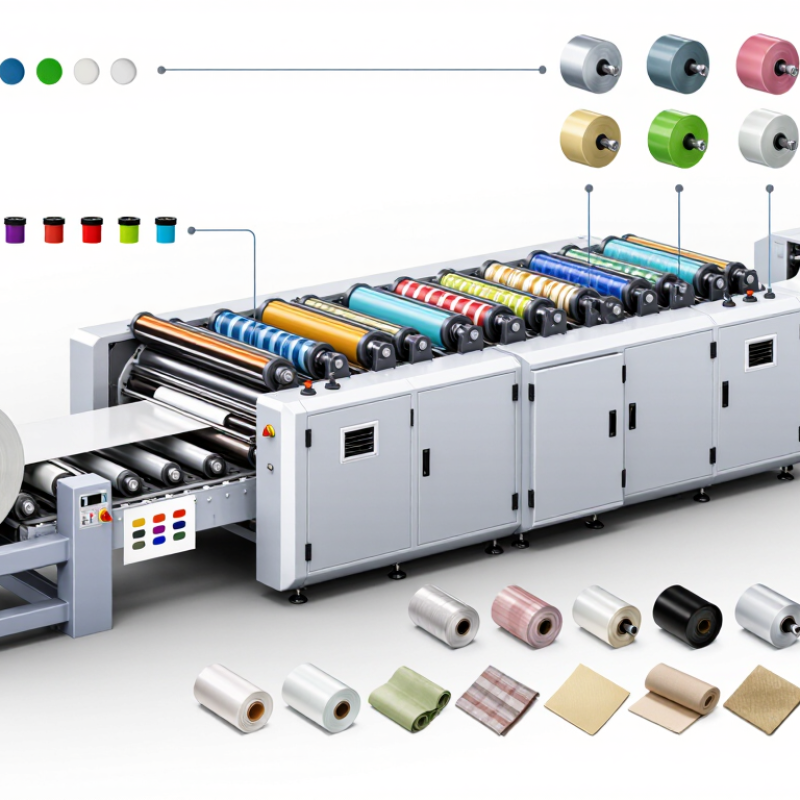
A typical production line may include an unwinder, tension controls, printing stations, a drying unit, and a rewinder. The web must stay aligned as it passes through each section. Even a small tension change can cause wrinkles, blurred details, or color shifts. Operators monitor registration, ink flow, roller pressure, and drying conditions, then inspect samples against the job requirements. Small details matter.
For buyers and production teams, the useful question is not simply how fast a machine runs. Substrate width, print resolution, changeover time, maintenance access, and expected order volume all affect suitability. A specification sheet helps, but it cannot replace a trial using the actual material and ink. That is the tidy version. In practice, humidity, operator experience, and inconsistent substrates can complicate results. A careful assessment should include these limits, rather than treating advertised speed as a guarantee. Understanding the machine’s components and process makes it easier to compare options and ask suppliers precise questions.
What Is a Roll Printing Machine?
How a Roll Printing Machine Works
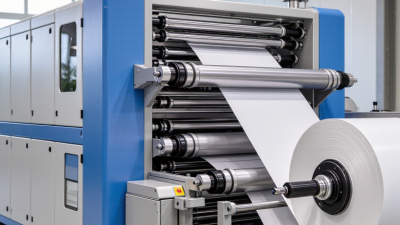
A roll printing machine feeds a continuous sheet, or web, through rotating rollers. The material may be paper, film, or thin fabric. At the center of the process, a printing cylinder carries an image or pattern. In gravure-style systems, tiny engraved cells hold ink. A doctor blade wipes excess ink from the cylinder’s surface. Small details matter.
As the web moves forward, an impression roller presses it against the inked cylinder. This contact transfers the design onto the material. The web then passes through a drying section, where warm air or another controlled method helps set the ink. Machines with several printing stations can apply different colors in sequence. Careful alignment keeps each layer in register.
Operators adjust web tension, roller pressure, ink flow, and drying conditions to suit the material. If tension is too high, the web may stretch; if it is too low, wrinkles can appear. A tiny shift can blur a repeated pattern. The process can look tidy on a diagram, but real materials do not always behave neatly. That is why sample runs and measured adjustments remain useful.
| Stage | Main Component | What Happens | How It Works | Typical Control or Check |
|---|---|---|---|---|
| 1. Unwinding | Unwind stand and roll shaft | A roll of paper, film, foil, fabric, or another flexible material is mounted and fed into the press. | The roll turns as the continuous web is drawn into the machine. Braking or drive controls help maintain a steady supply. | Roll alignment, web edges, and unwind tension |
| 2. Web guiding | Guide rollers and edge sensor | The moving material is kept on the intended path through the press. | A sensor may detect the web edge and signal a steering mechanism to make small lateral corrections. | Web position and smooth tracking |
| 3. Tension control | Load cells, dancer rollers, or drive controls | Material tension is managed as the web passes through different sections. | Controlled tension helps limit slack, stretching, wrinkles, and registration changes. The appropriate setting depends on the substrate and press design. | Stable tension without stretching or loose spans |
| 4. Image transfer | Printing unit, plate or image cylinder, and impression cylinder | Ink is transferred to the moving web in one or more colors or stations. | The transfer method depends on the process. Flexographic presses use a raised image plate; gravure presses use engraved cells; web offset presses transfer ink through a blanket cylinder. | Ink coverage, print-to-print registration, and image quality |
| 5. Ink supply | Ink system and metering components | Ink is delivered to the printing surface at a controlled rate. | Ink circulation and metering vary by process. For example, anilox rollers meter ink in flexography, while engraved cells carry ink in gravure. | Ink condition, color consistency, and cleanliness |
| 6. Drying or curing | Dryer or curing station | The printed surface is dried or cured before further handling or another print station. | Depending on the ink and material, the press may use heated air, infrared, ultraviolet, or other suitable curing methods. | Drying or curing performance and substrate temperature |
| 7. Inspection | Operator station or camera system | The printed web is checked for defects and consistency while production continues. | Visual checks or automated inspection can identify issues such as missing print, color variation, smudging, or registration errors. | Defects, print quality, and registration |
| 8. Rewinding | Rewind stand and finished roll shaft | The printed web is wound into a finished roll for storage or later converting. | A controlled rewind drive builds the roll while managing tension and alignment. | Roll firmness, edge alignment, and winding quality |
A roll printing machine, often called a web press, prints on continuous material supplied from a roll. The exact components and operating settings vary with the printing process, substrate, ink, and finished product.