inquiry
Leave Your Message

Why Choose a Roll Printing Machine for Your Business?

Businesses are rethinking how they produce banners, labels, packaging films, and other long-format materials. A Roll Printing Machine supports this shift by feeding continuous media through controlled printing, drying, and rewinding stages. It can reduce manual handling and maintain steadier color across extended runs. That matters when a customer expects 500 identical graphics, not 500 visual surprises.

Grand View Research’s Digital Printing Market Size, Share & Trends Analysis Report, 2024–2030, estimates the global digital printing market reached about USD 35 billion in 2023. It also projects a compound annual growth rate of roughly 6.7% through 2030. Smithers’ The Future of Digital Print to 2027 forecasts continued value growth across digital print applications, including commercial, packaging, and industrial segments. The definitions differ. Together, these reports show a market moving toward flexible, shorter, and more customized production.

The business case is practical, but not automatic. A roll-fed system may improve throughput, reduce setup interruptions, and support variable-data work. Less waste. Faster changeovers. Better floor utilization. Yet equipment productivity depends on substrate compatibility, operator training, ink technology, and maintenance discipline. Energy consumption also deserves closer attention, especially where dryers run continuously. I may be underestimating the learning curve for smaller teams. Buyers should therefore test real materials before purchasing. Ask for samples, production-speed evidence, color measurements, and service-response commitments. A thoughtful evaluation turns the Roll Printing Machine from an expensive purchase into a measurable production asset.
Why Choose a Roll Printing Machine for Your Business?

What Is a Roll Printing Machine?

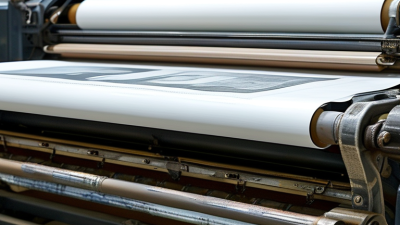
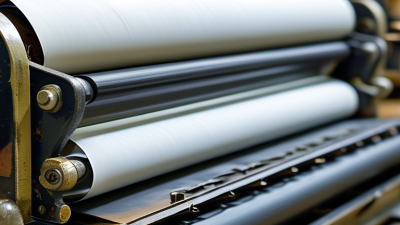
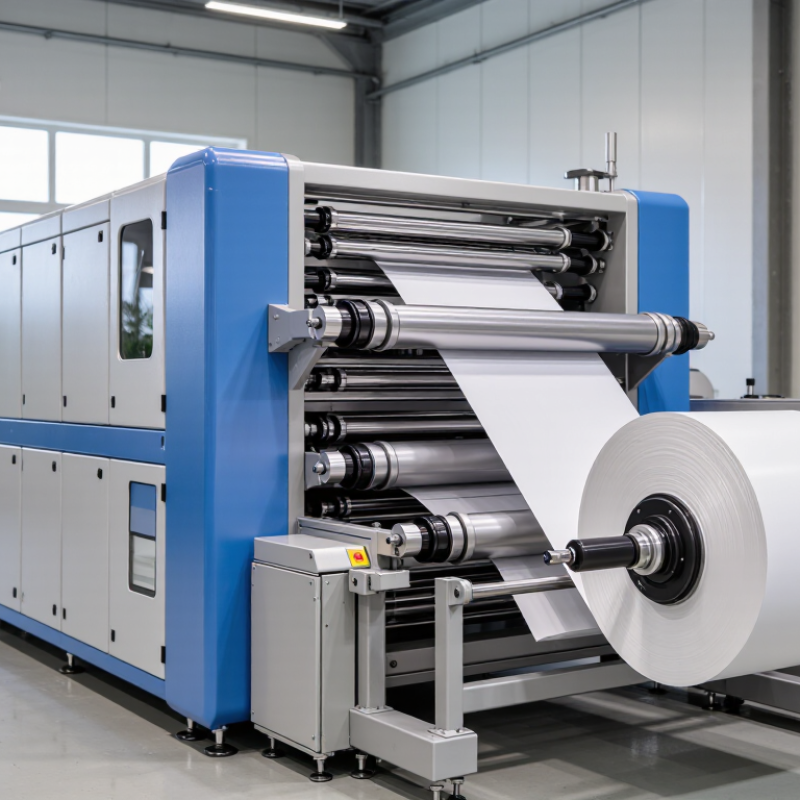
Roll Printing A roll printing machine is industrial equipment designed to print on continuous material supplied from a roll. The material travels through rollers instead of moving as separate sheets. It may include paper, film, fabric, labels, or flexible packaging stock. As the roll moves, printing units apply ink across the surface with controlled pressure and speed. Drying or curing systems then help prevent smearing during rewinding.

The machine suits businesses that need consistent output over long production runs. Continuous feeding can reduce loading time and material waste. It also supports repeat designs, variable lengths, and accurate color placement. Operators adjust tension, registration, ink flow, and drying temperature during production. Small alignment errors can damage many meters of material. That detail matters. A roll printer is not a shortcut for poor preparation. Dust, humidity, worn rollers, and incorrect tension can affect print quality. Production teams should inspect the substrate and test a short section before full operation. This step may feel slow, but it often prevents expensive rework. The equipment can improve efficiency, although maintenance demands are easy to underestimate. Regular cleaning, calibration, and roller checks help preserve stable results.
How Does a Roll Printing Machine Work?

A roll printing machine feeds a continuous web of paper, film, foil, or fabric through several controlled stages. The process begins with roll loading and web alignment. Sensors monitor tension while guide rollers keep the material centered. If tension is too high, the web can stretch. If it is too low, wrinkles may appear.

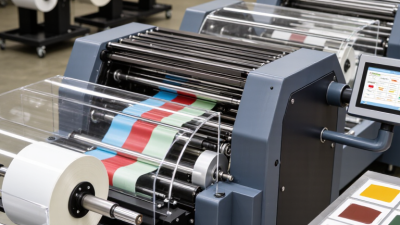
The printing unit then transfers ink through flexographic, gravure, offset, or digital technology. In flexographic printing, a relief plate carries ink to the moving web. Gravure uses engraved cells, while digital systems apply ink directly from electronic files. Drying follows immediately, using hot air, infrared energy, or ultraviolet curing. Smithers reported that the global digital print packaging market could grow from about $22 billion in 2023 to $36.9 billion by 2028. That growth reflects shorter runs and faster design changes.

In practice, operators still check color density, registration, drying, and splice quality during production. A small alignment error can repeat across thousands of meters. The machine is fast, but not magically automatic. The wrong ink viscosity may cause streaks or weak coverage. Energy use also deserves attention; the International Energy Agency identifies industrial efficiency as a key route for reducing manufacturing emissions. A careful setup, regular calibration, and measured waste control often matter more than maximum speed. Some production assumptions fail here. Faster is not always better.

Why Choose a Roll Printing Machine for Your Business? - How Does a Roll Printing Machine Work?

Dimension Typical Data or Range How It Works or Why It Matters
Printing Format Continuous roll-to-roll web printing The machine feeds material from an unwind roll, prints while the web moves continuously, and collects the finished material on a rewind roll.
Common Substrates Paper, coated paper, film, foil, nonwoven fabric, and selected flexible packaging materials The substrate must match the machine’s web path, ink system, drying method, thickness range, and surface-treatment requirements.
Typical Web Width Approximately 200–1,600 mm, depending on machine configuration Wider machines can produce more lanes or larger graphics in one pass, while narrower machines are suitable for labels, tapes, and compact packaging formats.
Typical Print Speed About 30–300 m/min for many commercial and industrial systems Actual speed depends on printing technology, ink coverage, substrate, drying capacity, image resolution, and required color accuracy.
Printing Technologies Flexographic, rotogravure, offset web, inkjet, and electrophotographic systems Flexographic and gravure systems are commonly used for repeat production, while digital inkjet and electrophotographic systems support variable data, short runs, and version changes.
Ink or Toner System Water-based, solvent-based, UV-curable, electron-beam, or dry-toner systems The consumable system affects adhesion, drying time, odor, curing energy, rub resistance, food-contact suitability, and environmental controls.
Basic Operating Sequence Unwind → web guiding → tension control → printing → drying or curing → inspection → rewind Each stage keeps the material aligned, stable, dry, and ready for slitting, laminating, coating, die-cutting, or other finishing operations.
Web Tension Control Closed-loop control using load cells, dancer rollers, or motor feedback Stable tension reduces wrinkles, stretching, telescoping rolls, registration errors, and print defects during continuous production.
Color Registration Automatic or operator-assisted registration control; accuracy varies by system and substrate Registration sensors and control software adjust the web position or print units to keep multiple colors and repeat images aligned.
Drying and Curing Hot-air drying, infrared drying, UV curing, or electron-beam curing The drying or curing unit removes liquid carriers or solidifies the ink so the printed web can be rewound without blocking or smearing.
Production Efficiency Continuous feeding reduces repeated sheet loading and unloading Roll printing can support longer production runs, fewer manual handling steps, and more consistent output when the job is well matched to the machine.
Short-Run Capability Highest with digital roll printing; conventional systems generally require more setup Digital systems can change artwork and variable data without physical plates, cylinders, or lengthy make-ready procedures.
Material Utilization Waste is influenced by setup length, web width, repeat length, registration, and operator settings Accurate tension, registration, and inspection systems can reduce start-up waste and help maintain consistent print quality throughout the roll.
Quality Inspection Manual inspection, camera inspection, spectrophotometry, or barcode verification Inspection systems can identify missing print, streaks, color variation, registration faults, unreadable codes, and surface defects while the web is running.
Typical Applications Labels, flexible packaging, banners, wallpapers, decorative films, tickets, tags, and industrial markings Roll-fed production is useful when the product is supplied in a continuous web or when multiple repeated images are required.
Finishing Compatibility Slitting, rewinding, laminating, coating, die-cutting, perforating, and pouch making A printed roll can move directly to downstream converting equipment, helping create an integrated production workflow.
Main Business Advantages High repeatability, scalable output, support for variable data, and reduced manual handling A roll printing machine is most suitable for businesses that need repeat production, continuous material handling, multiple versions, or efficient long-format output.

Note: Performance ranges are general industry reference values. Actual specifications depend on the printing process, substrate, ink system, machine configuration, artwork, and production conditions.

What Business Benefits Does Roll Printing Offer?

Why Choose a Roll Printing Machine for Your Business?

Roll printing can improve business efficiency by feeding flexible materials continuously. This reduces repeated loading, alignment checks, and manual handling between jobs. That matters.

Smithers’ report, The Future of Digital Print for Packaging to 2028, forecasts strong growth in digitally printed packaging. It links this growth to shorter runs, versioned designs, and faster product launches. A roll printing machine supports these needs by changing artwork digitally, rather than preparing new plates for every variation. It can also produce labels, films, banners, and other long-format materials with consistent registration. FESPA’s 2023 Print Census found that 65% of printers expected digital printing to increase their business volume. This indicates wider demand for flexible production, not merely new equipment.

The financial benefit depends on workflow discipline. Continuous feeding can reduce setup waste and improve labor productivity, but poor curing, tension control, or maintenance can erase those gains. Not always simple. Production teams should measure substrate waste, changeover time, energy use, and sellable output before buying. A practical trial with real materials is more reliable than a supplier’s ideal sample. In some shops, roll printing may also create excess capacity before sales teams build enough demand. That uncomfortable risk deserves attention. Still, when orders require frequent artwork changes or moderate quantities, roll printing offers a measurable route to faster response and steadier production.

Why Choose a Roll Printing Machine for Your Business?

Business benefits depend on the material, machine, and production setup. This qualitative comparison highlights common process characteristics; it is not a measured performance benchmark.

What this means: Roll printing feeds continuous material from a roll, which can suit long, repeated print runs and flexible substrates. Sheet-fed printing handles separate sheets. Actual throughput, waste, and cost vary by equipment, job, and setup.

Which Materials and Industries Use Roll Printing?

Roll printing suits businesses that produce long, repeatable runs on flexible materials. The web moves from a roll through printing and drying, keeping output consistent when settings are properly controlled. Common substrates include paper, pressure-sensitive label stock, films such as PET or polypropylene, nonwoven fabric, and some thin foils. Each surface behaves differently. A setup that works on paper may perform poorly on coated film, a difference that is easy to underestimate.

Packaging and label producers use roll printing for wrappers, product labels, and flexible pouches. Textile businesses print repeating patterns on fabric rolls, while manufacturers may decorate films used in insulation or surface coverings. Agricultural and hygiene-product suppliers also use printed nonwovens. The right process depends on run length, image detail, substrate width, and drying requirements. Check ink adhesion, web tension, and heat tolerance before production. A small test roll can reveal curling, smudging, or color variation before these problems affect a full order.

Tips: Match the ink and drying method to the material, not just the artwork. Ask for a sample run using your actual substrate. Record speed, temperature, and tension settings; small changes can shift results. Test first.

How to Choose the Right Roll Printing Machine?

Choosing the right roll printing machine starts with the work you actually produce. Measure your widest rolls and check the materials you use, such as paper, film, or fabric. Confirm that the machine supports their thickness and surface, since ink adhesion can vary. Then compare print quality, working speed, and drying requirements. A fast machine may still slow production if prints need extra drying time.

Tips: Ask for a sample using your own material. Check edge-to-edge consistency, small text, and color across a full roll. Review setup time, cleaning steps, and access to replacement parts. I would not choose by speed alone; it is an easy number to overvalue.

Also consider the space needed for unwinding and rewinding rolls, plus the staff time required for routine adjustments. Ask how the machine controls roll tension, because loose or uneven feeding can cause wrinkles and shifting prints. Compare the full operating cost, including ink, maintenance, and expected downtime. If possible, speak with an experienced operator and watch a real production run. Specifications help, but they do not answer every practical question. Some details only become clear after daily use.