 Contact immediately
Leave Your Message
-
Contact WhatsApp

-
 Contact Phone
 -
 Contact Email
Choosing the right Die Cutting machine in 2026 requires more than comparing speed, price, or attractive product photographs. Global buyers must examine cutting accuracy, material compatibility, production volume, maintenance access, and operator safety. A machine that performs well on thin paper may struggle with corrugated board, leather, foam, labels, or rigid packaging materials. Small details matter. Blade pressure, feeding stability, waste removal, and software support can influence daily output.
This guide reviews leading die cutting solutions for international purchasing decisions. It considers flatbed, rotary, digital, and hybrid systems for packaging, printing, crafts, signage, and industrial applications. Each option should be assessed against real production samples, not only catalogue specifications. Ask suppliers for cutting tests, equipment videos, reference customers, warranty terms, spare-part availability, and documented safety features. Regional voltage, installation requirements, training, and shipping conditions also deserve careful attention.
No machine wins everywhere. A high-speed rotary model may be excessive for a small custom workshop, while an entry-level cutter may become costly under continuous production. That assumption can fail. Buyers should calculate total ownership costs, including tooling, electricity, labor, maintenance, software, and downtime. Independent technical advice remains valuable, especially when supplier claims appear unusually optimistic. Some specifications may also vary between configurations, so written confirmation is essential. The best choice is not always the fastest machine. It is the equipment that delivers consistent results, responsible operation, dependable support, and measurable value in the buyer’s actual market.
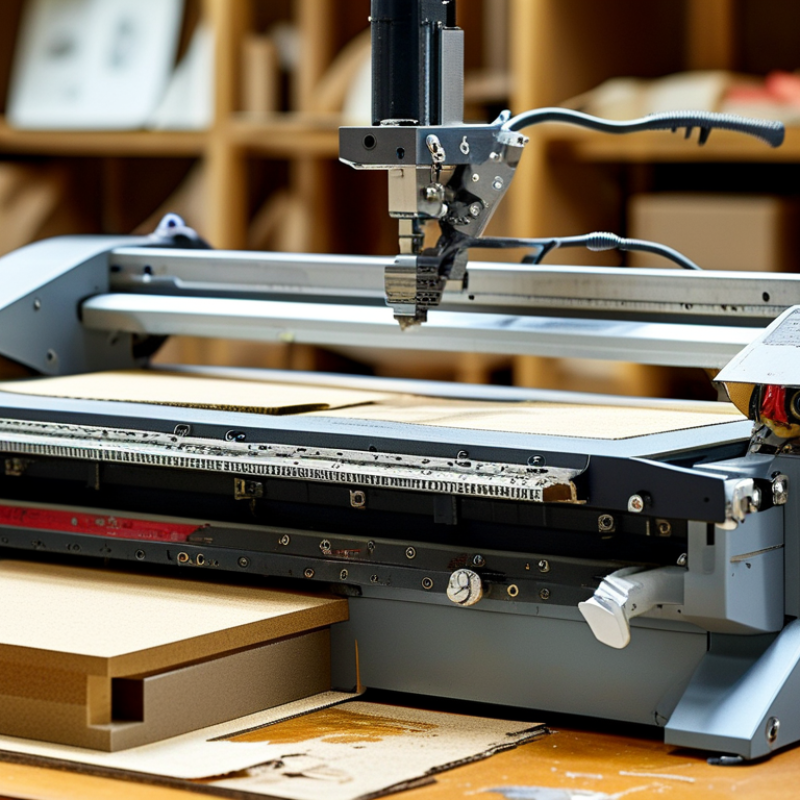
2026 Best Die Cutting Machines for Global Buyers
Die Cutting Machine Types and Their Core Functions
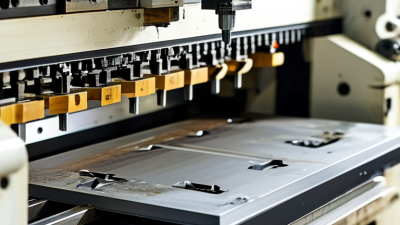
Die cutting machines shape paper, film, foam, leather, and thin board with controlled pressure or energy. The right type depends on material, volume, detail, and tolerance. Flatbed die cutters press a shaped tool downward. They suit packaging samples, labels, gaskets, and short production runs. Their setup is flexible, but changing dies can slow urgent orders.
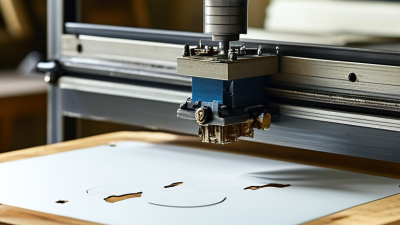
Rotary die cutters use cylindrical tooling and continuous feeding. They support high-speed production for labels, cartons, and adhesive materials. Registration accuracy matters when printed graphics meet cut lines. Digital die cutters use computer-controlled blades, creasing wheels, or oscillating tools. They remove traditional die costs and handle varied designs efficiently. They are useful for prototypes and customized batches, though thick materials may reduce speed.
Laser cutting machines do not require physical dies. A focused beam cuts intricate outlines and small internal details. They work well with selected films, textiles, and board grades. Material testing remains essential because heat can create dark edges or slight deformation. In production trials, I check edge quality under normal lighting, not only machine data. A clean sample can still fail during stacking. That assumption is worth challenging.
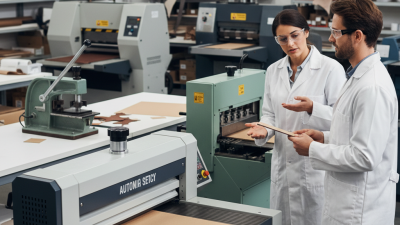
Global buyers should compare cutting force, working width, feeding accuracy, software compatibility, and service access. Ask for samples using the exact material and thickness. Measure cut depth, waste, noise, and repeatability across several cycles. Safety guards, emergency stops, and documented maintenance procedures also deserve close attention. A machine is not reliable merely because its first sample looks perfect.
Die Cutting Machine Types and Their Core Functions
| Machine Type | Primary Cutting Method | Typical Material Formats | Typical Material Thickness | Core Functions | Production Profile | Main Advantages | Key Limitations | Best Buyer Fit |
|---|---|---|---|---|---|---|---|---|
| Flatbed Die Cutting Machine | A flat cutting die presses vertically into stationary or indexed sheet material. | Paperboard, corrugated board, foam, leather, rubber, felt, gasket materials and thin plastics. | Approximately 0.2–10 mm, depending on material density and machine configuration. | Blanking, creasing, perforating, embossing, stripping and contour cutting. | Medium to high-volume sheet processing; suitable for repeat orders. | High cutting force, accurate registration and broad material compatibility. | Requires custom dies; die production and changeover add cost and preparation time. | Packaging converters, print finishers, gasket producers and contract manufacturers. |
| Rotary Die Cutting Machine | A cylindrical die cuts continuously against a rotating anvil or magnetic cylinder. | Paper, labels, films, foils, adhesive tapes, laminates, nonwovens and flexible packaging webs. | Commonly about 0.05–3 mm, subject to substrate and die design. | Continuous web cutting, waste matrix removal, slitting, scoring, perforating and laminating. | High-speed continuous production, often from rolls. | Excellent throughput, repeatability and efficient roll-to-roll operation. | Higher tooling and setup requirements; less economical for very short runs. | Label, tape, flexible packaging, hygiene-product and high-volume converting operations. |
| Steel Rule Die Cutter | Hardened steel rule blades mounted in a flat die board cut and crease the substrate. | Corrugated board, folding carton stock, foam, textiles, leather, rubber and gasket sheet. | Approximately 0.5–15 mm, with thicker materials requiring suitable pressure and tooling. | Shape cutting, creasing, perforation, kiss cutting and multi-up nesting. | Short to medium runs and repeated custom shapes. | Versatile tooling, relatively quick die fabrication and economical custom shapes. | Blade wear can affect cut quality; tooling is needed for each major design. | Custom packaging, point-of-sale displays, foam conversion and industrial components. |
| Platen Press Die Cutter | Two platens close together to apply pressure to a sheet and cutting die. | Paperboard, corrugated sheets, leather, rubber, foam, cork and composite sheet materials. | Approximately 0.5–20 mm, depending on platen size, pressure and substrate. | Cutting, creasing, embossing, perforating and blanking. | Intermittent sheet production from small workshops to industrial lines. | Strong pressing action, simple operating principle and broad tooling options. | Usually slower than continuous rotary systems and may require manual feeding. | General converters, packaging workshops and manufacturers processing thick sheet materials. |
| Clicker Press | A swing-arm or traveling head presses a cutting die through layered material. | Leather, synthetic leather, textiles, rubber, EVA foam, cork and gasket sheet. | Commonly about 1–12 mm per layer, depending on material and cutting force. | Pattern cutting, component nesting and batch cutting of flexible materials. | Low to medium-volume batch production with frequent design changes. | Flexible operation, relatively low tooling complexity and suitable for small batches. | Manual positioning can reduce productivity and consistency at high volumes. | Footwear, bags, upholstery, sporting goods and flexible-material workshops. |
| Laser Die Cutting Machine | A focused laser beam vaporizes, melts or thermally separates material along a programmed path. | Paper, film, textiles, wood veneer, thin plastics, foam and selected composite materials. | Often from very thin films up to approximately 10 mm, depending on laser power and material. | Digital contour cutting, perforation, engraving, kiss cutting and rapid prototyping. | Short runs, variable-data work, prototypes and designs requiring frequent changes. | No physical die required, fast design changes and high geometric flexibility. | Heat-affected edges, fumes, material reflectivity and slower throughput for some thick materials. | Prototype producers, digital packaging, textile sampling and customized product manufacturers. |
| Digital Knife Cutter | Computer-controlled oscillating, tangential or rotary knives cut along vector paths. | Corrugated board, foam, textiles, rubber, banners, leather, films and flexible composites. | Typically about 0.5–50 mm, depending on tool type and material hardness. | Cutting, creasing, routing, plotting, perforating and camera-assisted registration. | Prototypes, samples, short runs and products with frequent SKU changes. | Tool-free digital workflow, low setup time and efficient customization. | Generally lower throughput than dedicated die systems for very large repeat orders. | Sampling departments, sign production, custom packaging and on-demand manufacturing. |
| Hydraulic Die Cutting Machine | A hydraulic cylinder generates controlled pressing force to drive the cutting head or platen. | Rubber, leather, foam, insulation, textiles, gasket materials, composites and layered sheets. | Approximately 1–50 mm or more, depending on material and machine capacity. | Heavy-duty blanking, multi-layer cutting, gasket production and large-format component cutting. | Medium to high-volume industrial production requiring substantial cutting force. | High force, stable pressure control and suitability for dense or layered materials. | Higher energy use, hydraulic maintenance and potentially slower cycling than mechanical presses. | Automotive components, industrial seals, insulation products and heavy flexible-material processing. |
| Web-Fed Die Cutting Line | Roll material passes through synchronized cutting, creasing, printing, laminating or slitting stations. | Labels, flexible packaging films, paper webs, foil laminates, adhesive stocks and nonwovens. | Usually about 0.03–2 mm, based on web structure and converting process. | Roll unwinding, registration control, die cutting, waste removal, rewinding and inline finishing. | Continuous high-volume production with consistent web tension and registration. | High automation, reduced manual handling and efficient material utilization. | Complex setup, higher initial investment and limited suitability for rigid or very thick sheets. | Large-scale label, packaging, tape and disposable-product converters. |
Note: Thickness, speed, cutting force and productivity vary according to material density, die design, machine size, automation level and production conditions. Buyers should confirm final specifications with the equipment supplier and conduct material trials before purchase.