2026 Top Flexo Label Printing Machine Trends Buyers Should Know?
As the packaging landscape evolves, the Flexo Label Printing Machine industry faces new trends and challenges. Tom Reynolds, a renowned expert in flexographic printing, emphasizes, "Adaptability is key in this rapidly changing market." His insight reflects the need for companies to stay updated with technological advancements.
The year 2026 is shaping up to be significant for Flexo Label Printing Machines. New innovations are emerging, pushing the boundaries of efficiency and quality. Brand owners are seeking machines that not only deliver superior print results but also align with sustainability goals. This demand compels manufacturers to rethink their strategies.
Flexographic printing is crucial in various sectors, including food and beverage. As competition increases, understanding these trends becomes vital. Businesses must evaluate their options, adapt, and invest wisely. Failing to do so may result in missed opportunities in this dynamic industry.
Emerging Technologies in Flexo Label Printing for 2026
In 2026, flexo label printing is set to embrace innovative technologies reshaping the industry. Digital integration continues to grow, allowing for faster job changes and personalized labels. These advancements enhance efficiency and reduce waste, offering compelling solutions for businesses. More brands will adopt hybrid printing solutions, combining traditional flexo with digital technologies. This merger could provide high-quality prints while maintaining cost-effectiveness.
Emerging algorithms for predictive maintenance will be essential in optimizing machine performance. This technology anticipates potential issues, thus minimizing downtime. With the growing emphasis on sustainability, eco-friendly inks and substrates are in the spotlight. Brands are under increasing pressure to reduce their environmental footprint. Transitioning to biodegradable materials could resonate with eco-conscious consumers.
Consider your production goals. Evaluating capabilities can lead to better decisions. Engage with industry leaders to gain insights. Stay updated on trends, as they evolve rapidly. Maintaining flexibility will be crucial. Reflect on your processes; adapting earlier can provide a competitive edge. Make informed choices to align with these trends in flexo printing.
Sustainability Trends Impacting Flexo Label Printing Machines
The flexo label printing industry is witnessing a significant shift towards sustainability. By 2026, it is predicted that eco-friendly printing practices will account for over 40% of the market trends. This transition is largely driven by consumer demand for greener options. Many brands are prioritizing sustainable materials and processes, leading manufacturers to innovate.
Sustainable ink formulations, such as those made from vegetable oils, are gaining traction. Reports indicate that conventional solvent-based inks will decline by 25% in favor of these eco-conscious alternatives. This change not only reduces environmental impact but also enhances print quality. Efficient use of resources is becoming paramount. It is crucial for producers to minimize waste and energy consumption during printing.
Nevertheless, the path to sustainability is not without challenges. Some manufacturers struggle with the higher initial costs of sustainable materials and technology. Additionally, the availability of certain eco-friendly components can be limited. Industry stakeholders must evaluate their supply chains critically. With growing environmental regulations, flexibility and adaptability will be key in these evolving market dynamics.
2026 Top Flexo Label Printing Machine Trends Buyers Should Know
| Trend |
Description |
Impact Level |
Sustainability Focus |
| Digital Integration |
Increasing use of digital technologies for improved flexibility and efficiency in production. |
High |
Reduction in waste and improved resource management. |
| Eco-friendly Inks |
Adoption of soy-based and water-based inks as alternatives to traditional inks. |
Medium |
Lower VOC emissions, leading to a healthier environment. |
| Energy Efficiency |
Machines designed to consume less energy without compromising output quality. |
High |
Significantly reduced carbon footprint over time. |
| Recyclable Materials |
Shift towards using recyclable substrates for labels and packaging. |
Medium |
Promotes circular economy practices. |
| Automation |
Increased automation in label printing processes to enhance productivity. |
High |
Reduces labor costs and waste through optimized processes. |
Automation in Flexo Label Printing: Enhancing Efficiency in 2026
The landscape of flexo label printing is changing significantly, with automation at its core. In 2026, companies embracing automation will likely see enhanced efficiency and lower operational costs. Automated systems streamline the printing process, reducing human error. This leads to faster turnaround times, essential for meeting tight deadlines.
Yet, while the technologies are promising, their implementation can be challenging. Companies might struggle with training staff to use advanced automated equipment effectively.
Moreover, the initial investment in automation technology can be substantial. Businesses must weigh the costs against long-term benefits. Another concern is the integration of new systems with existing workflows. A careful approach is vital to ensure seamless transitions. Monitoring performance metrics is crucial as companies adopt these technologies. This will help identify areas needing adjustments and improvements.
In 2026, the focus on automation might push some companies to reassess their current processes. The journey towards full automation is not without its obstacles, but the potential rewards are significant.
Integration of Digital Printing and Flexo for Versatile Label Solutions
The integration of digital printing with flexo technology is reshaping the label printing landscape. This combination allows for high-quality, versatile solutions that cater to various market needs. By using digital processes alongside traditional flexo, manufacturers can achieve greater flexibility in design and production. This hybrid approach helps in reducing waste and enhancing efficiency, which is crucial for today’s competitive environment.
Considering the ongoing evolution of consumer preferences, labels need to be more than just functional. They must be visually appealing and informative. The marriage of digital and flexo enables customized designs at a quicker turnaround. This agility helps brands respond promptly to market demands. However, there are challenges; balancing quality and cost remains a point of reflection for many companies.
As technology evolves, one must consider the implications for sustainability. While this integration improves efficiency, it is essential to evaluate its environmental impact. Are companies fully aware of their carbon footprint in production? Addressing these concerns is vital for the future of label printing. Embracing innovation means staying vigilant about the choices made along the way.
2026 Top Flexo Label Printing Machine Trends
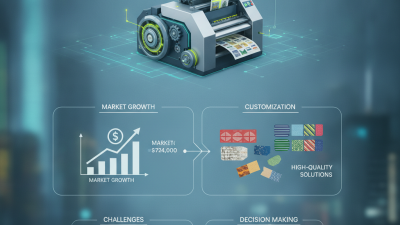
This chart displays the top trends in flexo label printing technology anticipated for 2026, with a focus on the importance of integrating digital printing techniques, promoting sustainability, enhancing cost efficiency, and increasing customization options in the production process.
Market Demands Shaping the Future of Flexo Label Printing Machines
The market for flexo label printing machines is rapidly evolving due to changing consumer demands. Recent studies indicate that the global flexographic printing market is projected to reach $28.6 billion by 2026, growing at a CAGR of 4.8%. This growth is largely fueled by increased demand for eco-friendly printing solutions and innovations in technology. Printing companies now face pressure to adopt machines that offer both efficiency and sustainability.
Flexo label printing machines are becoming more versatile, accommodating various substrates. The ability to print on materials like flexible plastics and eco-friendly paper contributes to their rising popularity. According to industry reports, improved automation and digital integration are driving efficiency and reducing waste. Companies with outdated machines may find themselves at a competitive disadvantage.
Investing in new technology isn't without challenges. Depending on budget constraints, upgrading equipment could pose financial stress. It’s essential to conduct thorough market research before making any commitments. Understanding which features are most beneficial for specific production needs is critical for maximizing returns on investment. Keep an open line of communication with suppliers. This engagement can reveal insights about upcoming trends that may not be widely published yet.
Flexography is not just about speed; quality is paramount. Be prepared to evaluate print quality, setup times, and operational costs. Balancing these elements can make all the difference in staying relevant amidst industry changes.

 Contact immediately

 Contact Phone
 Contact Email