Top China Label Press Options for Global Buyers?
In the fast-evolving world of packaging, Label Press technology stands at the forefront. According to a recent report by Smithers, the label printing market is projected to reach $45 billion by 2028, showcasing a significant shift towards high-quality and versatile printing solutions. As global buyers explore options, understanding the nuances of these machines is crucial.
China has emerged as a key player in the Label Press industry, offering advanced solutions that cater to diverse needs. Innovative manufacturers are integrating digital printing and automation to enhance productivity and reduce waste. However, navigating this landscape requires discernment. The rapid proliferation of options also brings challenges. Buyers must consider factors such as supplier reliability and machine specifications.
Investing in a Label Press is not merely a financial decision; it reflects a commitment to quality and market responsiveness. Potential buyers face a critical choice. The wrong investment can lead to operational inefficiencies and subpar products. Thus, careful evaluation and thorough research are indispensable in this competitive arena.
Top Label Press Manufacturers in China: A Comprehensive Overview
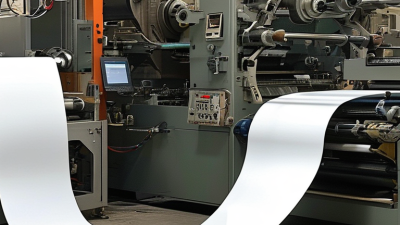
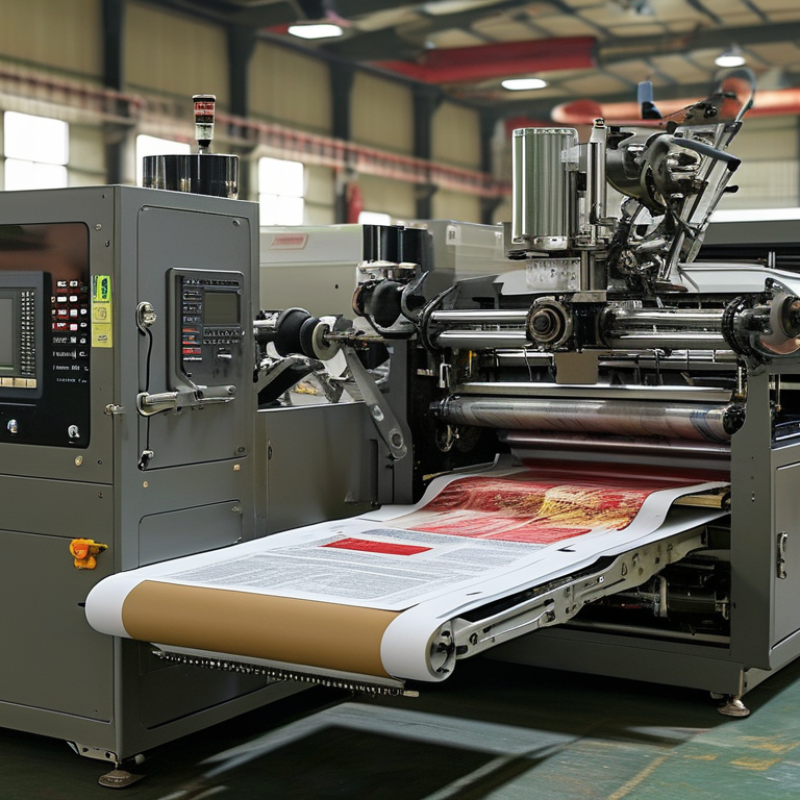
China has emerged as a crucial player in the global label press manufacturing arena. Many companies seek reliable options for label printing. The variety of machines available can meet diverse production needs. These range from small desktop presses to large industrial models. Such equipment caters to labels for food, beverages, and cosmetics. The demand for efficiency drives innovation in this field.
Several manufacturers stand out for their technology and expertise. They boast state-of-the-art features and high-speed printing capabilities. Automation is key to increasing productivity. Yet, not all machines deliver consistent quality. Buyers must assess their specific requirements before making a decision.
Additionally, the supply chain must be considered. Some manufacturers may face delays or quality control issues. It's vital to understand the full scope of post-purchase support. A lack of proper training or service can hinder operations. Ensuring a reliable partnership with manufacturers is essential for successful integration. Balancing cost and quality remains a challenge for many buyers.
Top Label Press Manufacturers in China
Market Trends: Demand for Label Press Equipment in Global Markets
The demand for label press equipment continues to grow globally. Businesses are seeking innovative solutions to enhance efficiency. The trend reflects the need for customization and quick turnaround times. Companies aim to improve their production capabilities. This, in turn, drives the label press market.
Label presses are crucial for various industries. From food and beverage to cosmetics, the right equipment can make a difference. Buyers often prioritize versatility and technology. However, many companies face challenges in selecting the appropriate machinery. Misalignment with production needs can lead to inefficiencies.
Economic factors also shape the market. Supply chain disruptions affect availability. Inflation influences pricing strategies. Buyers must navigate these dynamics carefully. It’s essential to remain informed about technological advancements. Understanding these trends allows for smarter purchasing decisions. In a competitive landscape, adaptability is vital for sustained growth.
Top China Label Press Options for Global Buyers
| Type of Label Press |
Print Technology |
Max Print Speed (m/min) |
Typical Applications |
Market Share (%) |
| Flexographic Press |
UV, Water-based |
150 |
Labels, Packaging |
40 |
| Digital Press |
Inkjet, Laser |
50 |
Short Runs, Custom Labels |
25 |
| Offset Press |
Offset Lithography |
120 |
High Volume Labels |
20 |
| Gravure Press |
Gravure Printing |
200 |
High Quality, Flexible Packaging |
15 |
| Hybrid Press |
Combination of Technologies |
80 |
Versatile Applications |
10 |
Key Features to Consider When Choosing a Label Press
When selecting a label press, buyers must consider several key features. Flexibility is essential. A press that accommodates various materials could enhance product versatility. According to a recent market report, 62% of buyers prioritize the ability to handle different substrates. This flexibility can lead to increased market opportunities.
Print quality cannot be overlooked. With consumers more discerning than ever, high-resolution output is non-negotiable. In fact, 78% of industry professionals highlight print quality as a top requirement. This translates into clear, vibrant labels that attract attention on shelves. Consider technologies that offer consistent results to meet client expectations.
Speed and efficiency also play crucial roles. A recent industry analysis reveals that presses operating at higher speeds can boost production by 25%. However, high-speed options may come with trade-offs. Maintenance often increases, prompting questions about reliability. Staying informed about these nuances is vital for making informed decisions.
Cost Analysis: Comparing Prices of Chinese Label Press Options
When considering label presses from China, prices vary significantly. Factors influencing costs include machine capabilities, automation, and production speed. Typically, basic models offer lower prices but can compromise on features. More advanced options, with higher efficiency, come at a premium.
Analyzing the cost, it's essential to evaluate what's included. Some providers may quote a lower price but charge extra for crucial components. Hidden fees can quickly escalate the total. Understanding these nuances is critical to making an informed purchase.
Buyers should reflect on long-term needs versus upfront costs. A cheaper label press might result in higher operational costs over time. It's wise to balance initial investment with future efficiency. Gathering estimates from various suppliers can provide insights into industry standards. Take time to research and compare options carefully before deciding.
Sustainability Practices in China’s Label Press Industry
Sustainability has become a focal point in China’s label press industry. As environmental concerns rise globally, manufacturers are adapting. They’re exploring eco-friendly materials and processes. This shift is not just smart; it’s essential for survival in today’s market.
Many companies are investing in sustainable practices. For instance, some use biodegradable inks and recyclable substrates. This reduces waste significantly. However, challenges remain. Not all suppliers are equipped for this transition. Many still rely on traditional methods, which can be harmful.
Industry players must collaborate for improvement. Sharing knowledge and technology can facilitate this shift. Transparency is key. Buyers demand clarity about sustainability practices from their suppliers. Yet, not all companies have transparent records. This creates a gap that needs addressing. The path to sustainability is complex, but it is a necessary journey for a healthier planet.

 Contact immediately

 Contact Phone
 Contact Email