 Contact immediately
Leave Your Message
-
Contact WhatsApp

-
 Contact Phone
-
 Contact Email
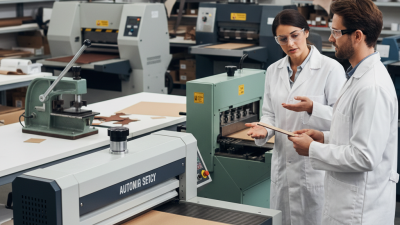
Choosing the best Die Cutting Press in 2026 starts with the work it must perform, not the largest force rating on a brochure. A small packaging shop cutting paperboard has different needs from a manufacturer processing rubber, foam, or thin sheet materials. Material thickness, die size, daily output, and available floor space all shape the decision. Get these details wrong, and even a capable machine can become an expensive bottleneck.
Start with cutting capacity, platen area, stroke, and the consistency needed across repeated jobs. Check how quickly operators can change dies and adjust settings; a few extra minutes per setup can add up over a shift. Ask about guarding, emergency stops, maintenance access, and the availability of replacement parts. These are practical considerations, not decorative features. Quite often, they matter more than a headline specification.
Watch a test cut. Bring your own material, if possible, and inspect the edges for incomplete cuts, crushing, or uneven pressure. Compare manual, pneumatic, and hydraulic designs against your production volume and operating environment. A higher-capacity press is not automatically the better choice. Nor does a low purchase price reveal the full cost of tooling, upkeep, or downtime. Specifications can look reassuring. They can also leave important questions unanswered. This guide explains how to weigh those trade-offs, verify supplier claims, and choose a press that suits real production conditions. No selection method removes every uncertainty, so leave room for testing before committing.
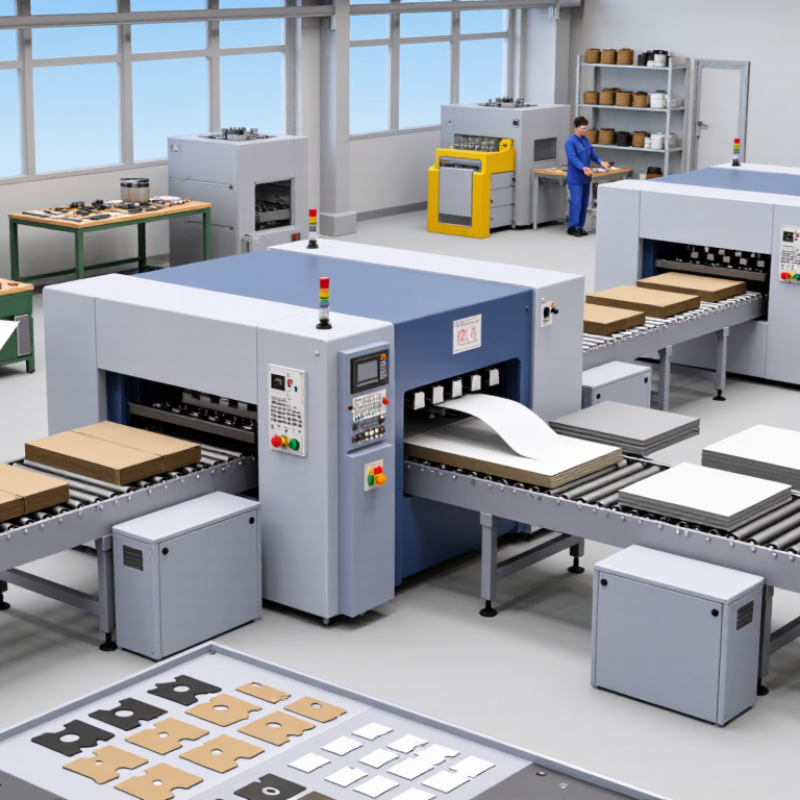
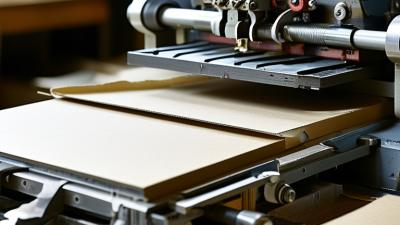
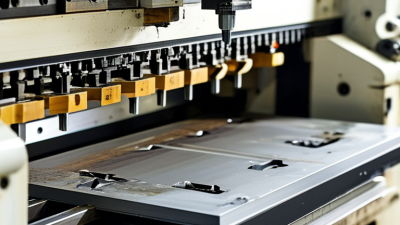
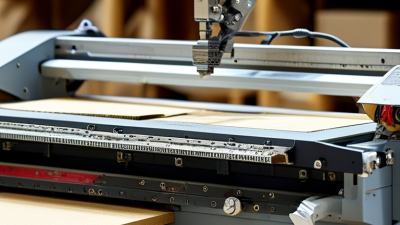
A die cutting press uses a shaped tool to cut or crease sheet material with controlled pressure. In a flatbed press, a die moves against a flat surface; rotary systems feed material between rotating cylinders. The right setup depends on the material, required shape, and production volume. Simple idea. Specific demands.
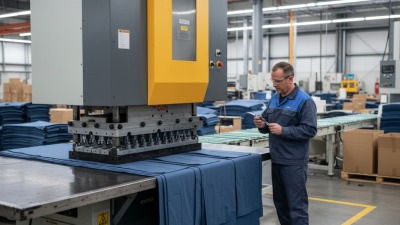
Common applications include cutting paperboard for packaging, foam for protective inserts, fabric for layered components, and rubber sheet for seals or gaskets. A packaging shop may need clean folds and repeatable edges. A fabricator may care more about consistent thickness and minimal material waste. Thin paper and dense rubber do not behave alike under pressure, so tooling and machine capacity must suit the actual stock.
When comparing presses, check usable cutting area, pressure range, feeding method, and changeover time. Ask whether the machine can handle the material’s thickness without crushing or tearing its edges. Operators should also consider guarding, access, and routine maintenance. A neat sample proves little on its own; repeated runs can reveal shifting alignment or uneven cuts. I would test representative material before committing, since specifications alone may not show how a press performs in daily work.
| Press Type | How It Works | Common Materials and Applications | Main Advantages | Key Selection Considerations |
|---|---|---|---|---|
| Swing-arm clicker press | A pivoting arm brings the cutting head down over a cutting die placed on the material. | Leather, textiles, foam, rubber, gaskets, and footwear components; suited to smaller parts and flexible layouts. | Good visibility of the cutting area; convenient for short runs, varied shapes, and manual repositioning. | Check cutting area, usable cutting force, operator reach, material thickness, and whether the press can accommodate the largest die. |
| Traveling-head press | A powered cutting head moves across a larger worktable and presses a die into the material. | Leather goods, footwear, upholstery, foam, and technical textiles; useful for larger sheets or repeated cuts across a broad area. | Can cover a larger cutting area than many swing-arm designs while keeping the workpiece on the table. | Evaluate table size, head travel, positioning accuracy, cycle rate, and how materials will be loaded and handled. |
| Flatbed platen press | Flat upper and lower platens apply pressure to a prepared die and sheet or web material. | Paperboard, corrugated board, labels, packaging, thin plastics, and sheet materials; commonly used for repeatable, high-volume work. | Provides consistent cutting across a broad, flat area and works well with established production tooling. | Match platen dimensions and pressure capacity to the die layout and material stack. Consider setup time, guarding, and feeding requirements. |
| Rotary die-cutting press | A cylindrical die cuts material as it passes continuously between rotating tooling and an anvil or support roll. | Labels, tape, films, foils, paper, and other roll-fed materials; appropriate for long runs and continuous converting. | Supports continuous processing and can deliver high output when the material, tooling, and line speed are well matched. | Confirm web width, material properties, required tolerances, tooling setup, waste removal, and compatibility with downstream processes. |
| Hydraulic cutting press | A hydraulic system drives the ram or platen to apply controlled force through a cutting die. | Rubber, gasket sheet, foam, composites, leather, and other materials that require substantial or adjustable cutting force. | Can provide high force and adjustable operating parameters for a range of materials and die sizes. | Specify required force from material and die-area trials; also review stroke, bed size, cycle time, maintenance, and safety features. |
| Mechanical press | A motor-driven mechanical linkage or flywheel mechanism delivers a press stroke. | Suitable for repeat production with matched tooling, including some paper, board, and sheet-material operations. | Can offer fast, repeatable cycles in applications designed around its operating stroke and tooling. | Check tonnage at the required point in the stroke, shut height, stroke rate, tooling compatibility, and guarding requirements. |
| Practical selection checklist | Compare the press against the product, material, tooling, and production process—not just the machine category. | Define the material type and thickness, part dimensions, daily or annual volume, cut quality, and whether material is sheet-fed or roll-fed. | A well-matched press can reduce setup issues, material waste, and production bottlenecks. | Request a cutting trial using the intended material and die. Verify force, working area, cycle time, repeatability, operator safety, service access, and total operating cost. |
| Note: Performance, capacity, and achievable tolerances vary by machine design, tooling, material, and process settings. Confirm specifications with the equipment supplier and validate them through production-representative testing. | ||||