What Is a Slitting Unit and How Does It Work?
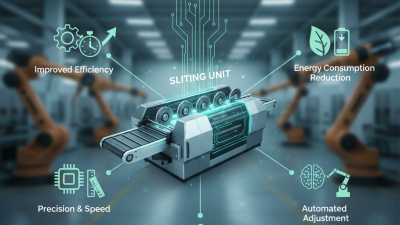
A Slitting Unit is the working heart of many converting lines. It divides a wide roll of film, paper, foil, nonwoven material, or laminate into narrower rolls. The process looks simple. It is not.
Dr. David R. Roisum, a recognized web-converting engineer and author, describes the principle clearly: “Slitting is a controlled separation process, not merely a cut.” That distinction matters. A reliable Slitting Unit must control web tension, knife position, winding pressure, and material tracking at the same time. Even a small setting error can create telescoping rolls, ragged edges, dust, wrinkles, or uneven widths. The production floor often reveals these problems before a measurement system does.
This guide explains the main parts of a Slitting Unit, including circular knives, razor blades, shafts, spacers, tension controls, and rewind stations. It also follows the material as it enters, separates, and forms finished rolls. Readers will see how shear, crush, and razor slitting methods differ. Practical details, such as blade sharpness and core alignment, receive special attention.
Some explanations may simplify complex machine behavior. Real materials rarely behave perfectly. Their thickness, coating, temperature, and surface friction can change the result. That is why operators still inspect edges, listen for vibration, and adjust settings during production. Understanding the machine creates better decisions, but experience remains essential.
Definition and Role of a Slitting Unit
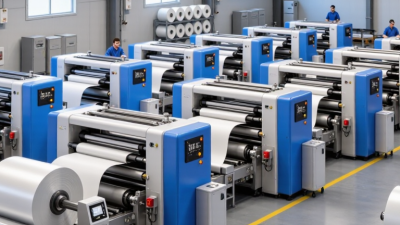
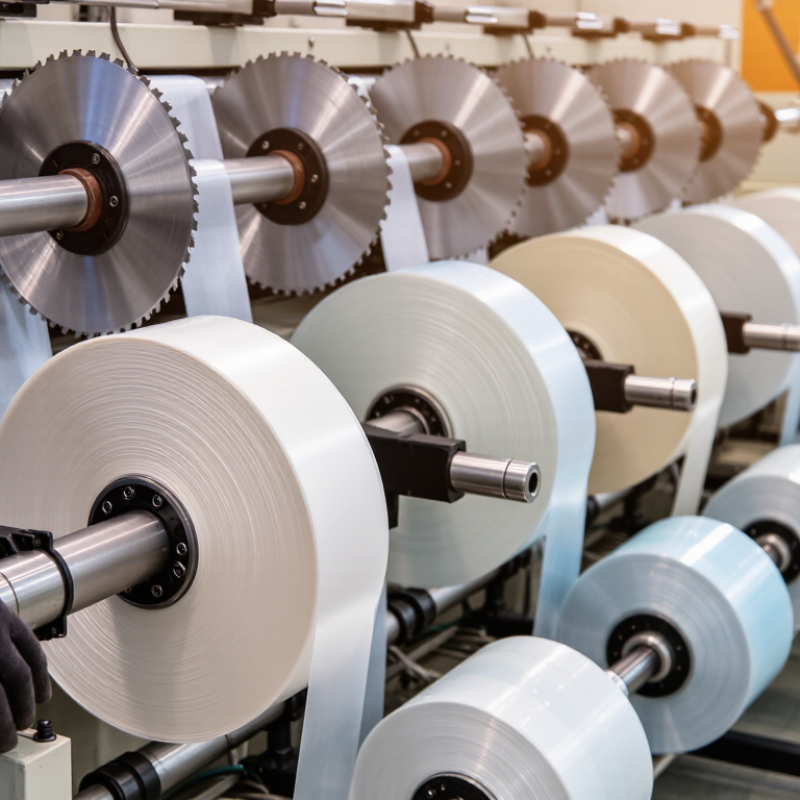
A slitting unit is a converting machine section that divides a wide material web into narrower rolls. It handles films, paper, foil, laminates, and other flexible substrates. The unit usually includes an unwinder, tension controls, circular or razor knives, and rewinding shafts. Its role is practical: prepare accurate roll widths for printing, pouch making, labeling, or further processing.
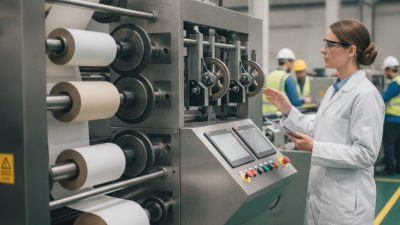
The process begins when the master roll enters the unit under controlled tension. Knives then cut along precise paths while separate shafts rewind each slit roll. Small errors matter. A one-millimeter width variation can cause poor alignment later. Uneven tension may create wrinkles, telescoping, or loose edges. Operators therefore monitor web tension, knife pressure, shaft balance, and roll hardness during production. Short checks help.
Grand View Research estimated the global flexible packaging market at approximately $268.9 billion in 2023, with projected growth of about 4.8% annually from 2024 to 2030. This expansion increases demand for stable, repeatable slitting performance. Smithers also identifies flexible packaging as a continuing growth area through 2028, supported by food, pharmaceutical, and consumer applications. However, market figures do not explain every factory problem. Material thickness, coating behavior, humidity, and operator experience can change results. A technically correct setup may still need adjustment.
How Material Moves Through the Slitting Process
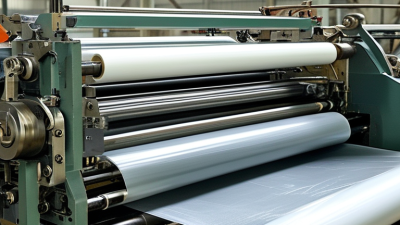
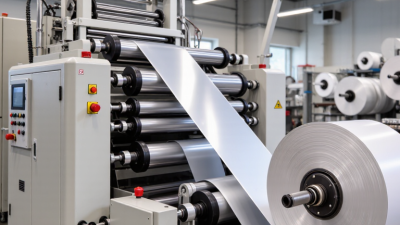
A slitting unit converts a wide parent roll into narrower rolls. The web unwinds from a shaft, passes through tension-controlled rollers, and reaches circular or razor knives. Each knife separates the material along a precise line. Rewind shafts then collect the finished rolls at a controlled torque. The material never moves randomly. Its speed, tension, and alignment must remain balanced.
During operation, sensors monitor web tension and edge position. Too much tension can stretch thin film. Too little can create wrinkles, telescoping, or loose edges. The Flexible Packaging Association reported that the North American flexible packaging industry generated about 39.8 billion dollars in sales in 2023. That scale makes small process losses expensive. Smithers’ flexible packaging forecasts also identify downgauging as a continuing industry trend. Thinner webs demand better tension control. It sounds simple. It rarely is.
Tips: Keep the unwind roll centered before starting. Check knife overlap and rewind hardness against the material specification. Record splice locations, speed changes, and rejected meters. A clean edge is useful, but it does not prove the process is stable. Review roll density after conditioning, because heat and humidity can change web behavior. Operators often trust the first inspection too much. That deserves reconsideration.
What Is a Slitting Unit and How Does It Work?
Illustrative material-width allocation in a four-lane slitting process. A 1,600 mm parent web is divided into four 390 mm rolls, with 40 mm used as edge trim.
The slitting unit unwinds the parent roll, guides and tensions the web, cuts it with circular or razor knives, and rewinds the separated webs into narrower rolls. The total width is conserved: 1,560 mm of finished lanes plus 40 mm of trim equals the original 1,600 mm web.
Cutting Methods and Width Control
What Is a Slitting Unit and How Does It Work?
A slitting unit converts a wide roll of material into narrower rolls. It uses cutting knives, spacers, tension controls, and rewind shafts. The web travels through the machine at a controlled speed. Each knife separates the material along a planned line. The finished rolls then rewind separately.
Cutting Methods and Width Control
Razor slitting
Razor slitting uses a sharp blade and suits thin films, paper, and flexible laminates. It is simple, but blade wear can create rough edges.
Shear slitting
Shear slitting uses two circular knives that overlap slightly. This method often produces cleaner cuts on thicker or sensitive materials.
Score slitting
Score slitting presses a knife against a support surface. It can work well when exact edge appearance is less critical.
Width control depends on accurate knife positioning and spacer selection. Operators measure the target width before installing the tooling. A small error can multiply across many lanes. Servo positioning improves repeatability, while edge sensors help track web alignment. Tension must remain stable, or the material may stretch before cutting. That creates misleading width readings.
In practical production, I check sample rolls with a calibrated ruler and digital gauge. I also inspect edge dust, wrinkles, and telescoping. The first setup is rarely perfect. Material temperature, thickness changes, and operator adjustment can affect results. A slower trial run often reveals problems that high-speed production hides. Clear setup records make the next run more reliable.
Applications, Benefits, and Operating Considerations
A slitting unit cuts wide rolls of film, foil, paper, or laminate into narrower rolls.
It usually combines a rewind shaft, tension controls, knives, and an unwinding stand. During operation, the web travels through the machine while circular or razor knives create precise widths. The finished rolls support packaging, labels, electrical insulation, medical materials, and industrial laminates.
Clean edges matter.
The benefits are practical.
Accurate slitting reduces trim waste, improves roll consistency, and helps downstream filling equipment run with fewer interruptions.
The Flexible Packaging Association reported U.S. flexible packaging sales of about
$40.2 billion in 2023
in its 2024 State of the Flexible Packaging Industry report. That scale increases pressure for stable output and lower material loss. A small width error can still create major costs across thousands of rolls.
Operating results depend on more than knife sharpness.
Operators must match blade geometry, web tension, winding pressure, and material structure. Thin films may wrinkle under excessive tension, while rigid laminates can produce dust or edge burrs.
Keep the web path clean.
Check cores and splice quality before production.
Smithers’ The Future of Global Flexible Packaging to 2028 identifies lightweighting and material efficiency as continuing market drivers. However, efficiency targets can encourage overly aggressive settings.
That is where practice becomes imperfect: faster production is not always better production. Trial runs, measured roll hardness, and documented adjustments remain essential.

 Contact immediately

 Contact Phone
 Contact Email