Contact immediately


A Flexo Label Printing Machine is a specialized press designed to print labels quickly, consistently, and across many substrate types. It uses flexible relief plates, anilox rollers, controlled ink delivery, and rotary pressure. The process may look simple. It is not.
Sean Teufler, a recognized flexographic printing specialist, has often emphasized, “Flexography is a process of control, not a process of correction.” This principle explains the machine’s real value. Operators must balance ink viscosity, plate pressure, web tension, drying temperature, and registration. A small adjustment can change a barcode edge or a fine white text area. On the production floor, the evidence appears immediately: clean dots, stable colors, and fewer rejected rolls.
This article examines what a Flexo Label Printing Machine does, how its main units work, and where it fits in modern label production. It also considers practical limitations. Flexo is efficient, but setup waste, plate preparation, and operator skill still matter. That detail is easy to overlook.
Readers will see how presses handle paper, film, foil, and adhesive label stock. They will also learn why anilox volume, curing performance, and inspection systems influence print quality. Real performance depends on the complete workflow, not one impressive machine specification. A press can be fast. Poor process control can still produce weak results. Understanding that difference helps buyers, engineers, and printers make more reliable decisions.
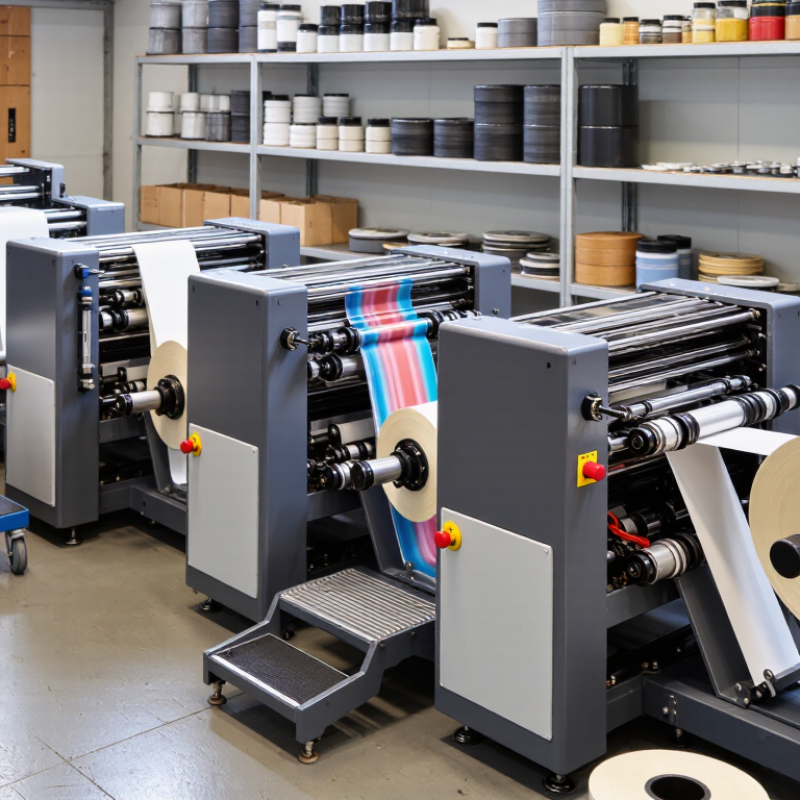
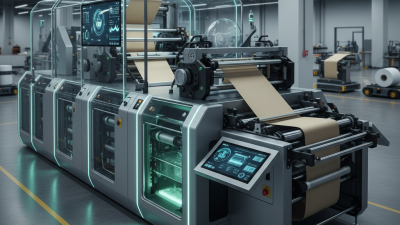
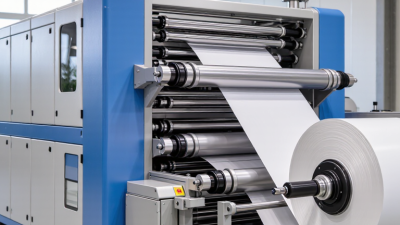
A flexo label printing machine is a web-fed press that prints labels using flexible relief plates. Raised image areas transfer ink onto paper, film, or metallic stock. The material moves through unwinders, printing units, dryers, and a rewinding section. Most machines use water-based, solvent-based, or UV-curable inks, depending on the substrate and application.
According to Grand View Research, the global flexographic printing machine market was valued at approximately US$1.1 billion in 2023. The report projects growth of about 5% annually through 2030. This demand reflects shorter production runs, faster changeovers, and the need for accurate color control. In daily operation, an experienced operator checks web tension before printing. A small tension error can create wrinkles, registration shifts, or uneven die cuts. That detail is easy to underestimate.
Modern presses may include inline inspection, automatic registration control, and rotary die-cutting. These systems reduce waste, but they do not remove the need for skilled judgment. The Smithers report, The Future of Flexographic Printing to 2029, identifies automation and improved plate technology as major development areas. Still, plate preparation, ink viscosity, drying temperature, and substrate treatment must work together. One setting rarely solves every problem. A practical trial run remains valuable, especially when printing fine text or transparent film. Mistakes happen. Good process records make them easier to understand and prevent.
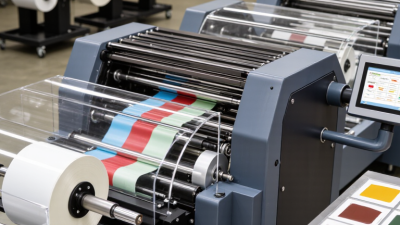
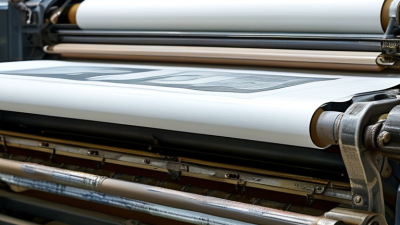
A flexo label printing machine transfers liquid ink onto label material through flexible printing plates. The process begins with an unwinding roll, which feeds paper, film, or another approved substrate into the press. Guide rollers keep the web aligned. Tension controls prevent wrinkles and stretching.
An engraved anilox roller picks up a measured ink volume from the ink chamber. Its tiny cells carry ink toward the printing plate. The plate receives the ink and presses it onto the moving substrate. Each color normally uses a separate printing unit. Registration controls align these units, so text and images meet accurately. Even a slight setting error can create blurred edges or color shifts.
After printing, the web passes through drying sections. Airflow, heat, or both help remove moisture or solvent from the ink. The exact setting depends on the substrate, ink type, line speed, and printed coverage. Experienced operators inspect the web with a stroboscope or visual checks. They look for pinholes, dirty plates, uneven color, and weak adhesion. A simple test can expose trouble: rub a dry area gently and check whether the ink lifts. The process is efficient, but not perfectly forgiving. Excessive pressure may spread fine details, while low pressure can leave missing areas. Operators sometimes adjust several settings at once, which makes faults harder to trace. Careful records and small adjustments usually produce more reliable results.
A flexo label printing machine uses flexible relief plates to transfer ink onto rolls of paper, film, or foil. Its main components determine print consistency, waste, and production speed. The Flexible Packaging Association reported U.S. flexible packaging sales of approximately $39.8 billion in 2023. That scale increases pressure on every machine section, even small labels.
The unwind unit feeds the substrate under controlled tension. A web guide keeps the material centered. Each printing station contains an anilox roll, ink chamber, plate cylinder, and impression cylinder.
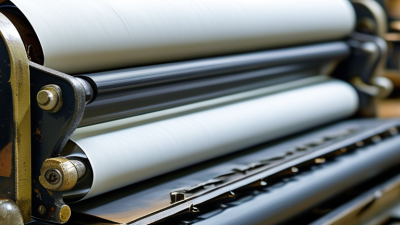
The anilox surface meters ink through tiny cells. The plate cylinder carries the raised image, while the impression cylinder applies steady pressure. Chambered doctor blades remove excess ink, although blade wear can create streaks.
Drying units then cure or evaporate ink between colors. Heat must remain controlled, especially with thin films.
A narrow-web press may also include laminating, cold-foil, die-cutting, inspection, and rewinding modules. Registration sensors correct color movement during acceleration. The ISO 12647-6 standard provides process-control guidance for flexographic printing, including tone value and color consistency.
In practice, operators still adjust pressure by hand when substrates behave unpredictably. That is where specifications can fall short.
A perfect component list cannot replace clean anilox cells, stable tension, and experienced observation. The rewind section finally forms a usable roll, but poor tension can wrinkle labels or damage their edges.
Flexo label machines print on paper, plastic films, foil, and laminated structures. Common materials include coated paper, uncoated paper, BOPP, PET, PE, and PP films. They can also process shrink sleeves and pressure-sensitive label stock. Each substrate reacts differently to ink, pressure, heat, and drying speed.
Smithers’ report, The Future of Flexographic Printing to 2028, identifies labels, flexible packaging, and corrugated board as major flexographic applications. FINAT market reports also continue tracking strong demand for paper and film-based self-adhesive labels in Europe. These findings reflect actual production choices, not just laboratory possibilities.
Paper usually offers reliable ink absorption and crisp detail. Films need controlled surface treatment, especially corona treatment, before printing. Low surface energy can cause weak ink adhesion, scratches, or uneven color. Foil often requires suitable primers and careful tension control. A press with UV, water-based, or electron-beam drying can support different material combinations.
Not every film runs cleanly.
In production, operators should test roll structure, thickness, surface energy, and adhesive compatibility before full-scale printing. I have seen technically printable materials create waste when drying settings were copied from paper jobs. That mistake is easy to make. Material performance depends on the press design, ink system, anilox selection, and finishing process.
A flexo label printing machine transfers ink from raised plates onto moving label stock. An anilox roller controls ink volume, while drying units stabilize each color quickly. The press can print paper, film, foil, and selected recyclable substrates. It also supports inline coating, laminating, die-cutting, and slitting.
Its strongest advantage is production speed. Flexo presses suit long and medium runs with repeated designs. Water-based and UV-curable inks can reduce drying delays and support cleaner shop-floor handling. Inline finishing removes several separate processing steps. According to Smithers’ 2024 flexographic printing analysis, packaging and labels remain major application areas, with global demand expected to grow through 2028. That growth reflects practical efficiency, not perfect performance.
There are limitations. Plate preparation adds cost and time before printing begins. Setup can also create waste, especially when colors need adjustment. Short runs may become expensive because plates and changeovers remain fixed costs. FINAT RADAR 2024 reported a 4.7% decline in European label demand during 2023, making waste control more important for converters. Flexo can achieve sharp graphics, but subtle gradients and frequent variable data changes may require extra process control. It is fast. Not always flexible. Operators still need experience to balance ink viscosity, pressure, registration, and drying. A well-designed workflow often matters more than press speed alone.
| Dimension | Typical Data or Characteristic | Advantages | Limitations or Considerations |
|---|---|---|---|
| Printing principle | Relief printing process that transfers ink from a raised photopolymer plate to a continuous web. | Continuous web operation supports efficient roll-to-roll production. | Plate preparation and mounting are required before production. |
| Common machine format | Narrow-web presses commonly use web widths of approximately 200–500 mm; wider configurations are also available. | Suitable for pressure-sensitive labels, shrink sleeves, flexible packaging, and tags. | The machine configuration must match the required web width and finished label size. |
| Production speed | Typical narrow-web label presses operate at approximately 75–300 m/min, depending on substrate, ink, design, and finishing requirements. | High web speed can reduce the cost per label during medium and long production runs. | Actual output is often lower than the rated speed because of drying, inspection, die-cutting, and setup requirements. |
| Number of colors | Common configurations range from 4 to 10 or more printing units. | Multiple in-line units enable process colors, spot colors, opaque white, varnish, and special effects. | More units increase equipment cost, setup time, cleaning requirements, and floor-space needs. |
| Ink systems | Water-based, solvent-based, and UV-curable flexographic inks are commonly used. | The available ink choices support paper, film, foil, and other label materials. | Each ink type requires compatible drying, ventilation, curing, and regulatory controls. |
| Substrate compatibility | Common substrates include coated and uncoated paper, BOPP, PET, PE, PP, synthetic paper, and aluminum foil. | Broad material compatibility allows one press to serve several label applications. | Thin films may stretch or curl, requiring accurate tension control and drying settings. |
| Print resolution | Photopolymer plates commonly support screen rulings of approximately 100–200 lines per inch, depending on plate and process conditions. | Modern plate-making and anilox technology can produce sharp text, barcodes, gradients, and detailed graphics. | Very fine highlights and tonal transitions require careful plate, ink, anilox, and pressure control. |
| Ink coverage and drying | Drying or UV curing is installed between printing units or near the delivery section, depending on the ink system. | Fast drying permits multiple colors and in-line finishing in a single pass. | Heavy ink coverage can limit press speed and may require additional drying energy. |
| Changeover time | Changeover commonly involves plate replacement, ink-system cleaning, substrate adjustment, registration setup, and inspection. | Automation and sleeve-based tooling can shorten setup compared with traditional manual procedures. | Frequent short-run jobs can reduce productivity because setup materials and preparation time are significant. |
| Registration accuracy | Modern servo-driven presses can maintain registration within tens of micrometers under stable production conditions; the exact result varies by machine and substrate. | Accurate registration improves multi-color graphics, barcodes, varnishes, and die-cut alignment. | Temperature, web tension, substrate stretch, and operator settings can affect registration. |
| In-line finishing | Typical options include rotary die-cutting, laminating, varnishing, cold foil, slitting, perforation, and waste removal. | Several converting steps can be completed in one pass, reducing handling and work-in-process inventory. | Additional modules increase investment, maintenance needs, setup complexity, and potential waste during adjustment. |
| Waste level | Waste is generated during plate mounting, color matching, registration, splicing, and die-cutting setup. | Once the press is stabilized, continuous production can achieve low waste per finished label. | Short runs and frequent artwork changes can make setup waste a relatively large share of total output. |
| Cost suitability | Generally well suited to medium and long runs with repeated designs and stable specifications. | High repeatability and fast production can provide a competitive unit cost at sufficient volume. | Plate, tooling, setup, and cleaning costs may be less economical for highly customized short runs. |
| Variable-data capability | Traditional flexography uses fixed plates; variable information normally requires an additional digital printing unit. | Hybrid configurations can combine flexographic backgrounds with digital variable data. | Flexography alone is not ideal for every label having unique text, images, or serial numbers. |
| Best-fit applications | Product labels, food and beverage labels, personal-care labels, pharmaceutical labels, logistics labels, flexible packaging, and shrink-sleeve graphics. | Combines high throughput, broad substrate compatibility, strong color coverage, and integrated finishing. | The ideal process depends on run length, personalization level, substrate, image complexity, compliance requirements, and finishing needs. |
Note: The figures shown are typical industry ranges or practical benchmarks, not guaranteed machine specifications. Actual performance depends on press design, plate technology, ink system, substrate, artwork, operator skill, and production conditions.