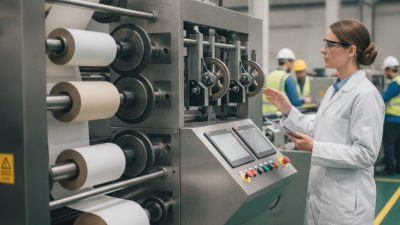
What Are China Top Slitting Rewinding Machine Manufacturers?
Choosing among China’s top Slitting Rewinding Machine manufacturers requires more than comparing catalog prices. Performance depends on web tension, knife accuracy, rewinding pressure, and after-sales support. A machine may look impressive in a showroom, yet behave differently beside a running production line.
Dr. David R. Roisum, a respected web-handling specialist, once stated, “Slitting is the most difficult converting process.” His observation remains practical. Small tension errors can create telescoping rolls, wrinkles, uneven edges, or wasted material. Experienced buyers therefore examine machine structure, control systems, shaft design, and trial-cutting results. They also ask how suppliers manage installation, operator training, spare parts, and remote diagnosis.
China has many capable manufacturers, including established machinery groups and specialized regional factories. However, “top” should not mean the largest website or the lowest quotation. It should reflect repeatable quality, engineering depth, transparent communication, and verified customer experience. This guide will compare manufacturers through those practical signals, not promotional claims alone.
Some details are easy to miss. Check the cut edge under strong light. Measure roll hardness across the winding width. Watch how quickly the machine stabilizes after speed changes. These details reveal more than polished brochures.
The evaluation is not perfect. Public information can be incomplete, and customer results may vary by material, width, speed, and operator skill. That limitation deserves attention. A reliable shortlist should combine factory visits, reference calls, production trials, and clearly written technical specifications before any purchase decision.
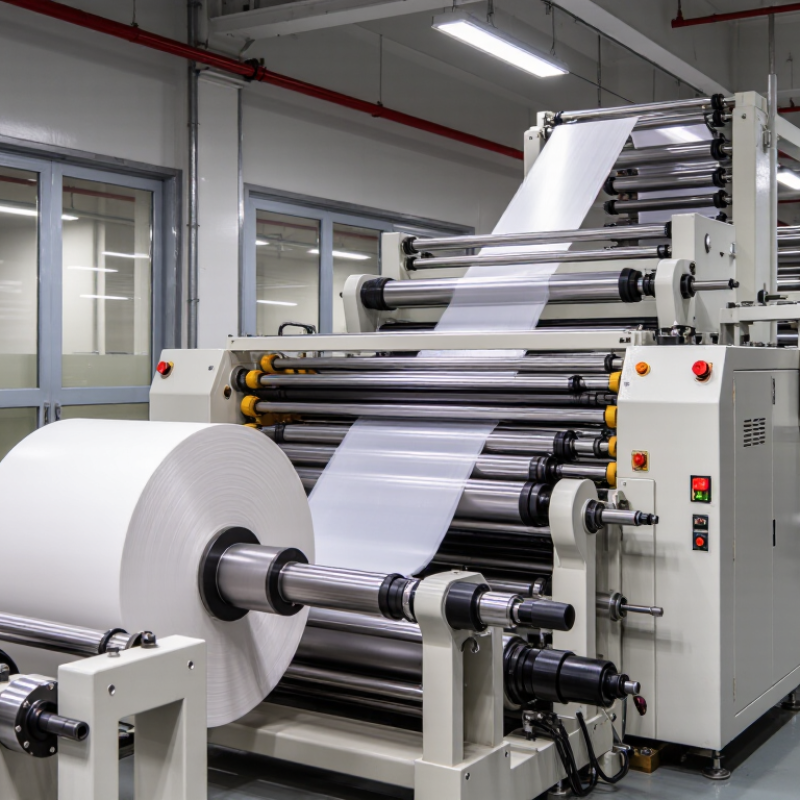
China’s Slitting Rewinding Machine Manufacturing Industry
China’s Slitting Rewinding Machine Manufacturing Industry
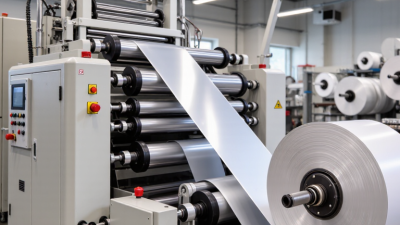
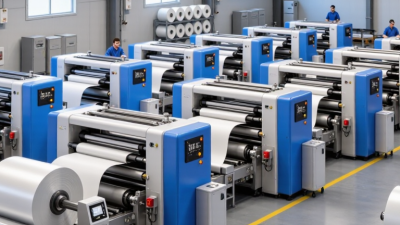
China has developed a broad manufacturing base for slitting rewinding machines. Factories produce equipment for films, paper, foil, laminates, and other flexible materials. Many manufacturers support customized web widths, roll diameters, blade systems, and tension controls. Their production usually combines mechanical machining, servo drives, PLC systems, and automated inspection. However, manufacturing capacity does not always guarantee stable machine performance.
Experienced buyers should examine more than catalog specifications. Ask for cutting samples using your actual material, thickness, and winding speed. Observe edge quality, roll hardness, noise, dust control, and material waste. Factory audits can also reveal assembly discipline, testing procedures, and spare-parts management. A machine may look excellent during a short demonstration, yet perform differently during continuous production. This is an area where buyers sometimes trust brochures too quickly.
Tips: Confirm the maximum and minimum web width. Request a written accuracy range for slit width and winding tension. Check whether operators can adjust settings easily. Review electrical safety documents and service response times. Keep a realistic acceptance test, because small details often affect daily output. No supplier is perfect. The best choice usually balances engineering support, verified results, maintainability, and transparent communication.
Typical Capability Benchmarks in China's Slitting Rewinding Machine Industry
The chart presents representative technical specifications commonly published for industrial slitting rewinding machines manufactured in China. Actual values vary according to material type, machine configuration, web width, automation level, and customer requirements.
Leading Chinese Slitting Rewinding Machine Manufacturers
China’s leading slitting rewinding machine manufacturers serve flexible packaging, paper, film, and nonwoven production lines. Their strength often comes from practical engineering, not only catalog specifications. Experienced manufacturers can adjust unwinding tension, knife positioning, web alignment, and rewinding pressure for different materials. A reliable factory should explain these settings clearly and provide test-run records. Ask for sample results using your actual film width, thickness, and roll diameter. Numbers matter.
Tips:
Check the machine frame, sensor response, control interface, and safety guards during a video inspection. Request details about motor brands, spare parts, installation support, and operator training. Confirm whether the manufacturer can supply drawings and troubleshooting guidance. Small omissions become expensive later.
Leading Chinese suppliers may offer strong customization and competitive production timelines. However, no manufacturer is perfect. Some communicate quickly but provide vague technical documents. Others build solid equipment but respond slowly after delivery. This difference affects long-term productivity. Review factory experience, quality inspection procedures, export history, and customer references before choosing. A practical test should measure speed, edge quality, tension stability, noise, and roll firmness. Do not judge performance from appearance alone. A polished machine can still need refinement. Reliable cooperation grows from transparent specifications, documented testing, and honest discussion about limitations.
Key Machine Types and Technologies Offered by Chinese Manufacturers
What Are China Top Slitting Rewinding Machine Manufacturers?
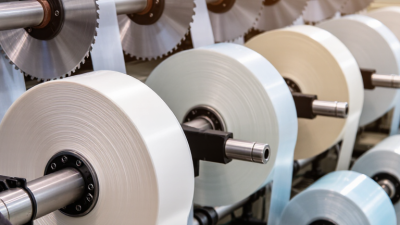
Chinese manufacturers offer several slitting rewinding machine types for film, paper, foil, labels, and laminated materials. Duplex and turret rewinders support faster roll changes with less production downtime. Center-surface winders suit flexible films that need stable pressure control. Heavy-duty models handle wider webs and thicker materials.
Key technologies include servo motors, automatic tension control, web guiding, and electronic positioning systems. Razor, shear, and score slitting methods serve different material behaviors. Some machines include automatic edge guiding, dust removal, splice detection, and roll unloading systems. In practical operation, accurate tension is critical. Small tension errors can create wrinkles, telescoping, or loose edges. Modern control software reduces these risks, but settings still require skilled adjustment. No machine is perfect. Material variation can expose weaknesses that factory tests miss.
Tips: Check the usable web width, material thickness, core diameter, and target speed before requesting a quotation. Ask for sample trials using your actual substrate. Review tension accuracy, knife adjustment, rewind hardness, and operator safety features. Confirm whether spare parts, remote support, and training are available. A lower purchase price may become expensive when setup is slow or maintenance is unclear. Also inspect finished rolls under realistic lighting. Minor edge damage is easy to overlook during a short demonstration.
How to Compare China’s Top Slitting Rewinding Machine Suppliers
Comparing China’s top slitting rewinding machine suppliers requires more than checking catalog prices. Start with the material you actually process: film, foil, paper, or laminated rolls. Ask each supplier to run your samples under similar tension and speed settings. Inspect edge quality, winding hardness, roll alignment, and waste levels. A polished factory video proves very little.
Technical evidence matters. Review shaft design, maximum web width, slitting tolerance, servo control, tension range, and automatic defect detection. Request drawings, electrical specifications, maintenance schedules, and recent test records. Experienced suppliers should explain how their machine handles thin materials, static electricity, and changing roll diameters. Their answers should be specific, not decorative.
Service often separates a reliable supplier from a risky one. Check engineering response times, spare-parts availability, installation support, operator training, and warranty boundaries. Ask for references from factories using similar materials and production volumes. Compare the complete cost, including tooling, freight preparation, commissioning, energy use, and future upgrades. Numbers can mislead. The cheapest quotation may hide manual adjustments or limited after-sales support. I would also inspect the workshop personally, though one visit cannot reveal every weakness. A supplier may have excellent machining but weak documentation. Another may communicate well but lack experience with your material. Record these imperfections openly, then score each supplier against the same practical criteria.
Factors for Selecting a Reliable Chinese Manufacturer
When evaluating China’s top slitting rewinding machine manufacturers, reliability matters more than a polished website. A dependable supplier should explain web width, material thickness, rewinding diameter, speed, tension control, and compatible films or papers. Ask for a detailed machine layout and a sample production video. Vague answers often signal weak engineering support.
Factory capability deserves close attention. Request evidence of incoming-material inspection, assembly checks, electrical testing, and final trial runs. A serious manufacturer can provide inspection records, control-system details, and measurable accuracy data. Confirm whether the machine meets your destination’s electrical and safety requirements. Independent audits can reveal workshop organization, spare-part storage, and actual production capacity. Do not judge by showroom appearance alone.
After-sales service is equally important. Clarify installation guidance, operator training, response times, warranty limits, and spare-part availability in writing. Ask for references from customers using similar materials and production volumes. A remote video call with the engineering team can test their practical knowledge. They should discuss tension fluctuations, blade wear, roll hardness, and waste reduction without hiding limitations. Be careful with unusually low quotations; missing sensors or weak components may create expensive downtime later. I would also include acceptance tests before shipment, although test conditions may not perfectly match your factory. That gap needs discussion. A reliable partnership leaves room for technical questions, documented changes, and honest correction when the first plan proves incomplete.

 Contact immediately

 Contact Phone
 Contact Email