Why Choose a Die Cut Printer for Custom Packaging?
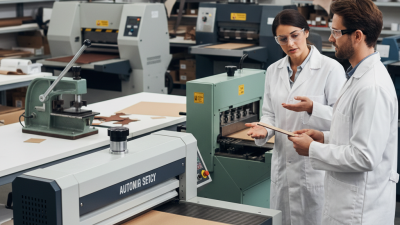
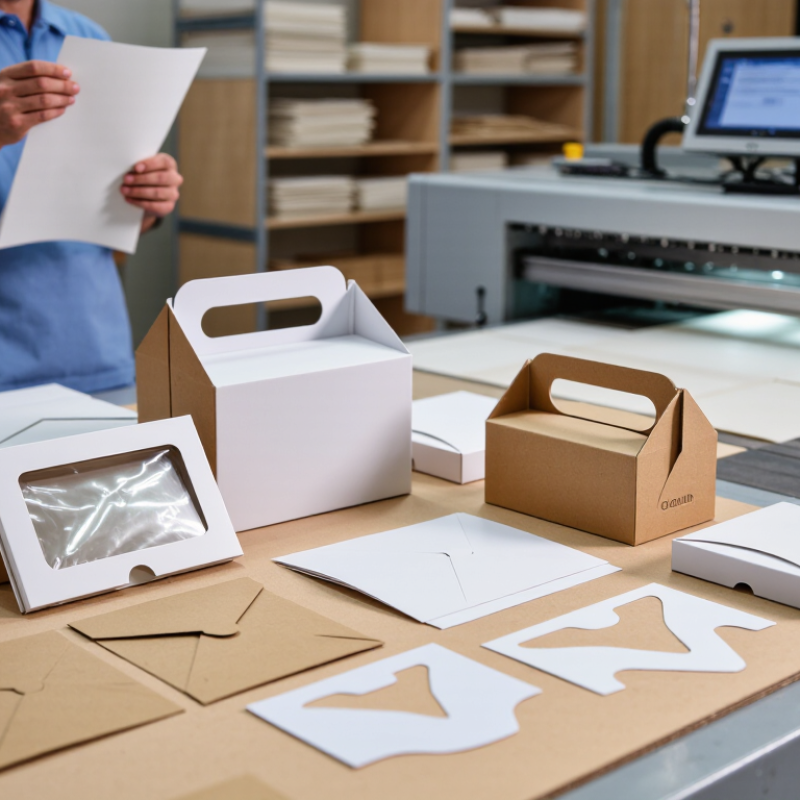
Custom packaging often begins with a simple question: how can a package look distinctive without slowing production? A Die Cut Printer offers a practical answer by shaping printed materials into precise, tailored forms. It can produce folding cartons, sleeves, tags, inserts, and small display pieces with consistent edges. Imagine a rigid mailer with a clean window, a branded handle, or a product insert that fits without shifting. These details can make opening the package feel more intentional.
The value extends beyond appearance. Digital die cutting supports short runs, quick design changes, and personalized packaging for seasonal products. It may also reduce waste when layouts are carefully planned. Experienced packaging teams usually test the dieline, substrate, folding points, and final assembly before approving a larger batch. Small errors matter. A 2-millimeter misalignment can affect closure, shelf presentation, or product protection.
A Die Cut Printer is not automatically the best choice for every project. Very large quantities may still favor traditional tooling and high-speed production methods. Material thickness, blade pressure, ink adhesion, and finishing options also require technical review. Reliable suppliers should provide samples, clear specifications, and realistic production timelines. They should explain limitations, not only showcase attractive results.
That honesty matters. Good packaging balances visual impact, durability, budget, and production efficiency. When these factors are reviewed together, die cut printing can help brands create packaging that feels considered, functional, and easier to improve over time.
What Is a Die Cut Printer?
What Is a Die Cut Printer?
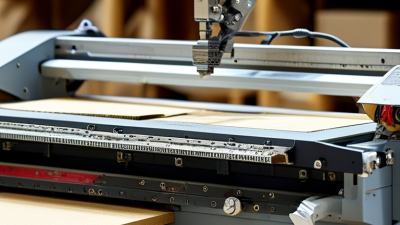
A die cut printer is a production system that prints and cuts packaging into precise shapes. It may use a flatbed cutter, rotary die, or digital cutting table. The cutting stage creates folds, windows, handles, tabs, and unusual contours. Printing adds graphics, instructions, barcodes, or variable details.
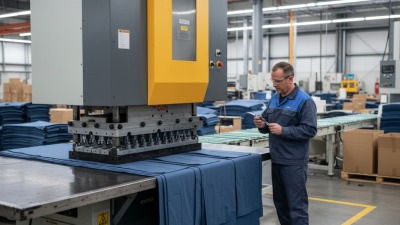
The term is slightly misleading. Most machines do not print and die-cut through one single process. They combine digital printing with automated cutting. This setup suits prototypes, seasonal packaging, and short custom runs. It reduces the need for traditional metal dies. However, it may not be the fastest choice for very large orders. That depends on material, shape, and finishing requirements.
Smithers’ Future of Global Packaging to 2028 report values the global packaging market at about 1.17 trillion dollars in 2023. It also forecasts continued growth through 2028. This expansion increases demand for flexible, customized packaging production. FEFCO industry statistics also show corrugated packaging remains a major European packaging format. Die cutting helps convert that material into accurate, shelf-ready structures.
Tips:
Confirm board thickness before production. Test tight corners and narrow tabs. Ask for a physical sample. Small errors become expensive waste. A practical review should compare cutting speed, registration accuracy, setup time, and material loss. I have found that attractive shapes can weaken packaging. Design appeal should not replace compression testing.
How Does Die Cutting Shape Custom Packaging?
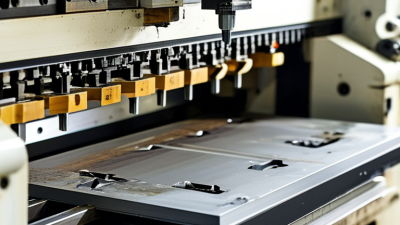
Die cutting gives custom packaging its physical character. A printer uses a shaped blade, or digital cutting system, to create accurate outlines, windows, tabs, and folding panels. These details can change a plain carton into a structure that feels deliberate. A curved opening may reveal the product, while a locking tab can improve handling without adding plastic parts.
In packaging trials, the first sample is rarely perfect. A narrow fold may crack, or a small window may weaken the panel. Material thickness, grain direction, and crease depth all affect the result. Careful testing helps prevent these problems. It also shows whether the package opens smoothly and protects the contents during transport.
I have found that attractive shapes sometimes reduce stacking space. That trade-off deserves honest review.
Tips:
Start with the product dimensions, not the artwork. Leave enough space around cut lines and folds. Test a full-size prototype before production. Check sharp corners, opening force, and label placement. Simple measurements can reveal expensive mistakes. A second review is often worthwhile.
Which Materials Can a Die Cut Printer Process?
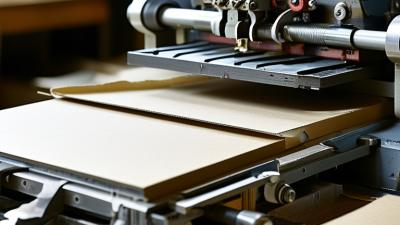
A die cut printer can turn printed sheets into precise packaging shapes, but its material range depends on the machine. In production testing, paperboard is often the most predictable option. Folding carton stock between 250 and 600 microns cuts cleanly when blades are sharp and pressure is calibrated. Kraft paper adds a natural texture and useful stiffness. Coated paper gives brighter graphics, although glossy surfaces may show scratches near the cut line. Test small batches.
Corrugated board can also work, especially for lightweight mailers and protective inserts. However, flute direction changes folding behavior. A fine flute usually creates cleaner small panels than a coarse flute. Uncoated stock absorbs ink quickly, while coated stock may need suitable ink settings or surface treatment. Some systems can handle synthetic sheets such as polypropylene or polyester. These resist moisture, but they may curl, slip, or require special cutting conditions. Surface texture matters.
Experienced operators check more than thickness. They inspect grain direction, board flatness, coating adhesion, and the smallest internal corners. A sample should be folded, rubbed, and filled with the intended product. If the printed layer cracks, the design or material needs adjustment. I have found that a technically successful cut can still feel weak in the hand. That is easy to miss on a screen. Material claims should come from documented machine limits and repeatable trials, not assumptions. Every packaging job deserves its own test record.
What Packaging Benefits Does Die Cutting Provide?
Custom packaging needs more than attractive graphics. It must protect products, fit shelves, and control material use. A die cut printer combines printed artwork with precise cutting, creating boxes, sleeves, inserts, and mailers in unusual shapes. Edges become cleaner. Assembly becomes faster.
Die cutting provides measurable packaging benefits. It can produce a close-fitting structure, reducing empty space and movement during shipping. That may lower filler use and improve the unboxing experience. The U.S. Environmental Protection Agency reported that containers and packaging generated 82.2 million tons of municipal solid waste in 2018, or 28.1% of the total. Better-fitting formats cannot solve this problem alone, but they can support more efficient design. Smithers’ packaging research also identifies digital production as a growing method for shorter runs and versioned packaging. This helps small batches avoid unnecessary inventory. The trade-off is real: intricate cuts may increase setup time, waste, or unit cost. Bigger is not always better.
Tips: Test the dieline with a physical sample. Check folding stress, product movement, stacking strength, and barcode readability. Use recycled board only after confirming its scoring performance. A beautiful prototype can still fail in transit. Measure the result, then revise it. That step is easy to skip.
Why Choose a Die Cut Printer for Custom Packaging? — What Packaging Benefits Does Die Cutting Provide?
| Packaging need |
What die cutting enables |
Practical benefit |
Useful considerations |
| Distinctive package shapes |
Cuts custom outlines and profiles from sheet materials. |
Helps a package stand out from standard rectangular formats. |
Unusual shapes should be checked for efficient material use and practical assembly. |
| Consistent repeat production |
Uses a defined cutting pattern or die to reproduce the same layout across a production run. |
Supports uniform panel shapes, slots, and folds across packages. |
Results depend on appropriate materials, machine setup, and quality checks. |
| Folding cartons and inserts |
Combines cut lines with crease lines in a flat package blank. |
Allows panels to fold into cartons, sleeves, trays, or product-holding inserts. |
Crease placement and board thickness affect folding and fit. |
| Product visibility |
Can create openings or windows in packaging when the design and finishing process allow. |
Lets shoppers see part of the product without opening the package. |
An opening may require a transparent film or other covering and can affect package strength. |
| Tabs, slots, and locking features |
Cuts interlocking tabs, slots, and closures into the package blank. |
Can help a carton or insert assemble and stay in position without separate fasteners. |
Feature dimensions should be tested with the selected board and product. |
| Brand and product presentation |
Pairs shaped cuts with printed graphics and structural design. |
Creates packaging whose form can support the intended visual presentation. |
Printed artwork, cut lines, and folds need to be aligned in the production layout. |
| Material and production planning |
Cuts common packaging sheet materials, subject to equipment and material specifications. |
Makes a range of custom package structures possible from flat sheets. |
Custom tooling may add setup cost and lead time; confirm material compatibility before production. |
How Do You Choose a Die Cut Printer for Your Needs?
Choosing a die cut printer starts with your packaging needs, not the lowest quotation. Define the box size, material, folding pattern, and expected monthly volume. A printer should handle your chosen board without cracking, fraying, or uneven edges. Ask for a physical sample. Digital images cannot show scoring depth or fold accuracy.
Check machine tolerance and production consistency. For a package with a tight locking tab, even a small cutting shift can cause assembly problems. Ask how the printer checks registration, blade wear, and color variation during production. Request samples from both a short test run and a longer run. They may look different. That detail matters.
Discuss finishing options, including creasing, perforation, foil effects, coating, and waste removal. Confirm whether the printer can manage your file format and provide a structural review before production. A responsive technical team can prevent expensive plate or tooling changes. Also compare lead times, minimum quantities, replacement policies, and shipping protection. A cheap unit price may hide setup fees or weak quality control. No choice is perfect. I would not approve a supplier from one attractive sample alone. Test a real carton, fill it with the intended product, and fold it repeatedly. This reveals pressure points that a clean showroom sample may conceal.
Why Choose a Die Cut Printer for Custom Packaging?
Choosing a die cut printer that supports the right substrate range helps maintain clean cuts, reliable feeding, and consistent packaging quality. The chart below shows common paperboard basis-weight ranges used in custom packaging.
Folding boxboard and solid bleached board are widely used for cartons, sleeves, and retail packaging, while corrugated liner is commonly used in shipping boxes. When comparing die cut printers, check their supported material thickness, feeding system, cutting accuracy, and production volume.

 Contact immediately

 Contact Phone
 Contact Email